specialty

Splints.

We articulate your models to your wax bite and mount them digitally for an exact interocclusal opening, so each splint needs minimal clinical adjustment.

Protect, reposition or retain.

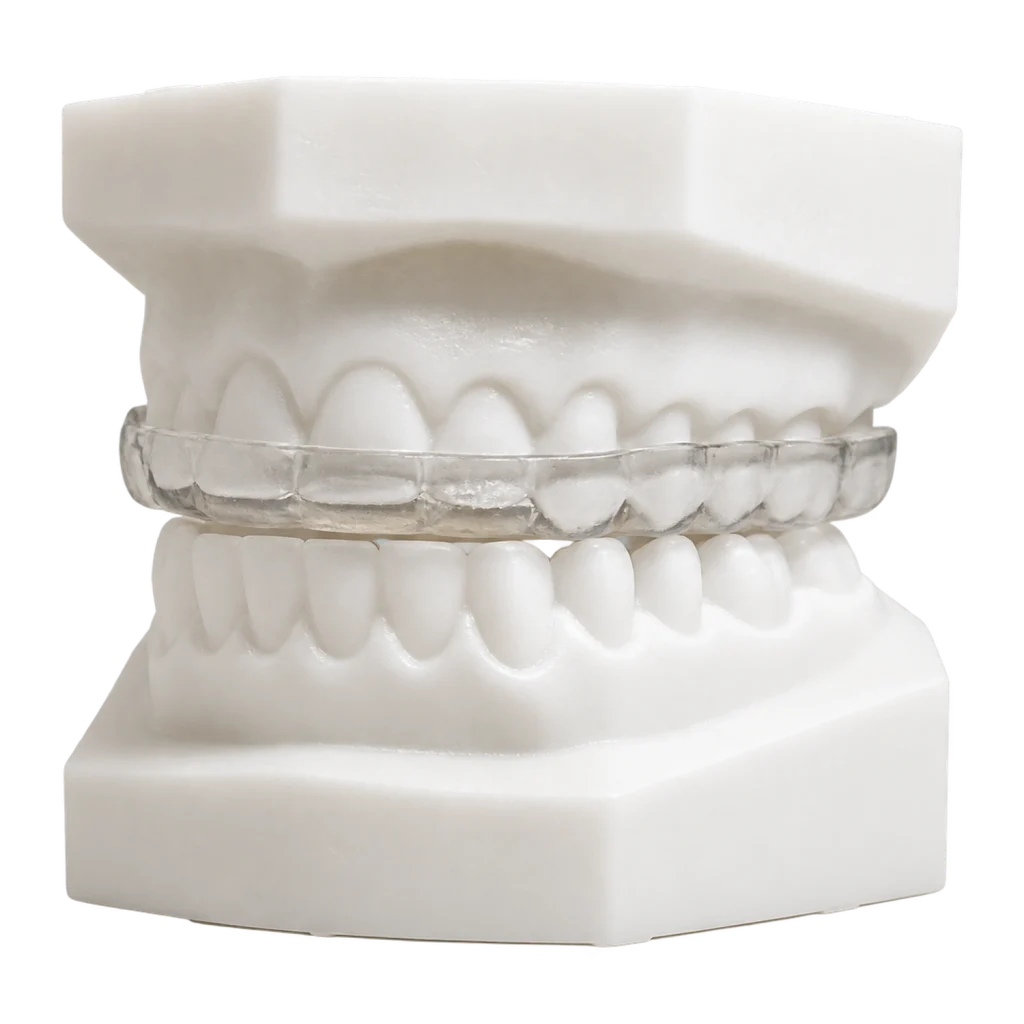
Our splints cover occlusal protection, mandibular repositioning and post-treatment retention. The Flat Plane Splint and the SRS Design give even contact or a full occlusal scheme, the ARS Appliance and the MORA hold the mandible forward, and the Damon Splint is a post-treatment splint retainer.

  • Tray thicknesses from 1 to 3 mm
  • Optional Varifex® acrylic on most designs
  • Acrylic colors on all but clear and vacuum-formed splints
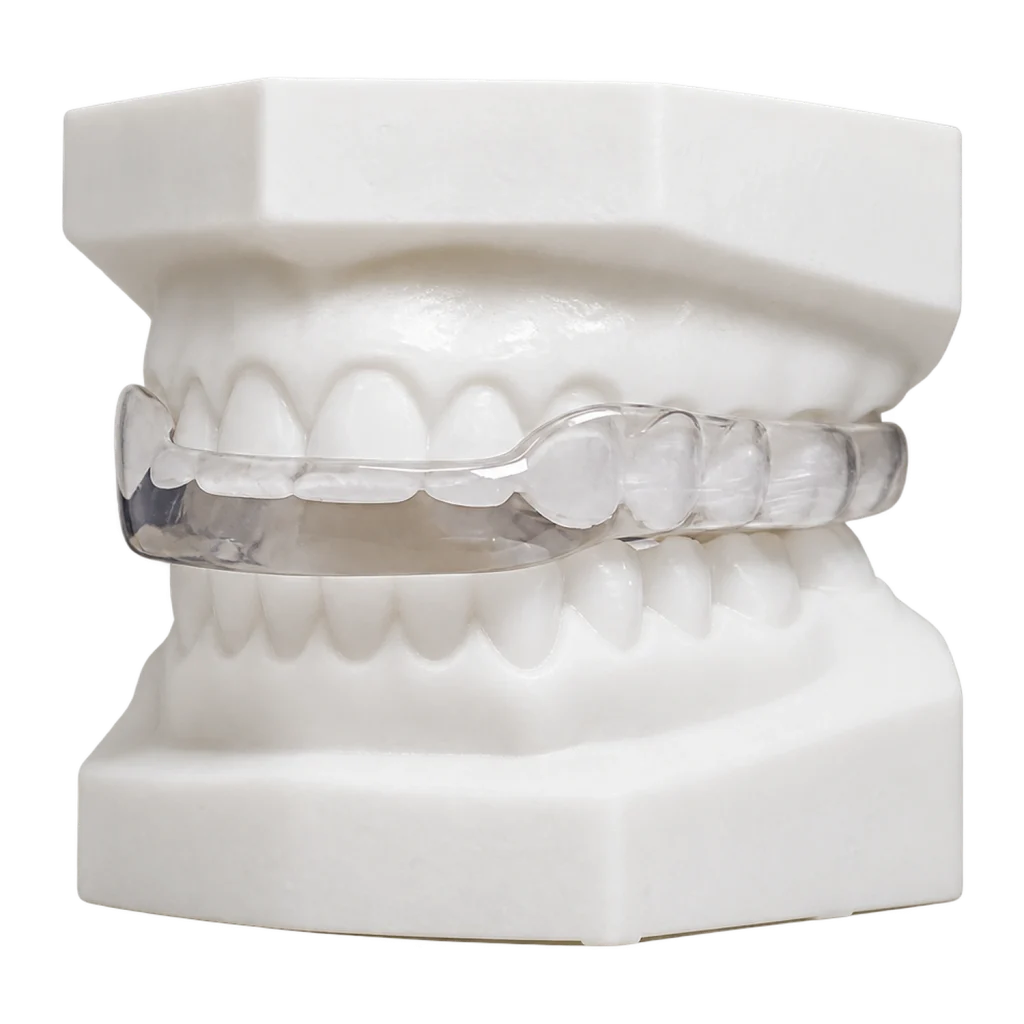
SRS Design

What do splints solve?

Splints address wear from bruxism and clenching, TMD cases that need the mandible held at a recorded or forward position, and holding the result after Class II correction or arch development. A repositioning splint holds the mandible forward so the disc assembly can resume a more normal position relative to the condyle and fossa.

  • Bruxism or clenching that’s wearing the teeth
  • Holding the mandible forward of habitual closure
  • Retention after Class II correction
Which splint fits the case?

Anchorage
Removable, full arch
Patient age
Permanent dentition
Correction
Occlusal protection
Compliance
Required, worn as prescribed
Anchorage
Removable, upper or lower
Patient age
Permanent dentition
Correction
Anterior mandibular position
Compliance
Required, removable
Anchorage
Removable, both arches joined
Patient age
After active treatment
Correction
Post-treatment stabilization
Compliance
Required, removable
Anchorage
Removable, full arch
Patient age
Permanent dentition
Correction
Even occlusal contact
Compliance
Required, worn as prescribed
Anchorage
Removable, lower arch
Patient age
Permanent dentition
Correction
Mandibular position
Compliance
Required, removable
Anchorage
Removable, full arch
Patient age
Permanent dentition
Correction
Full occlusal scheme
Compliance
Required, worn as prescribed
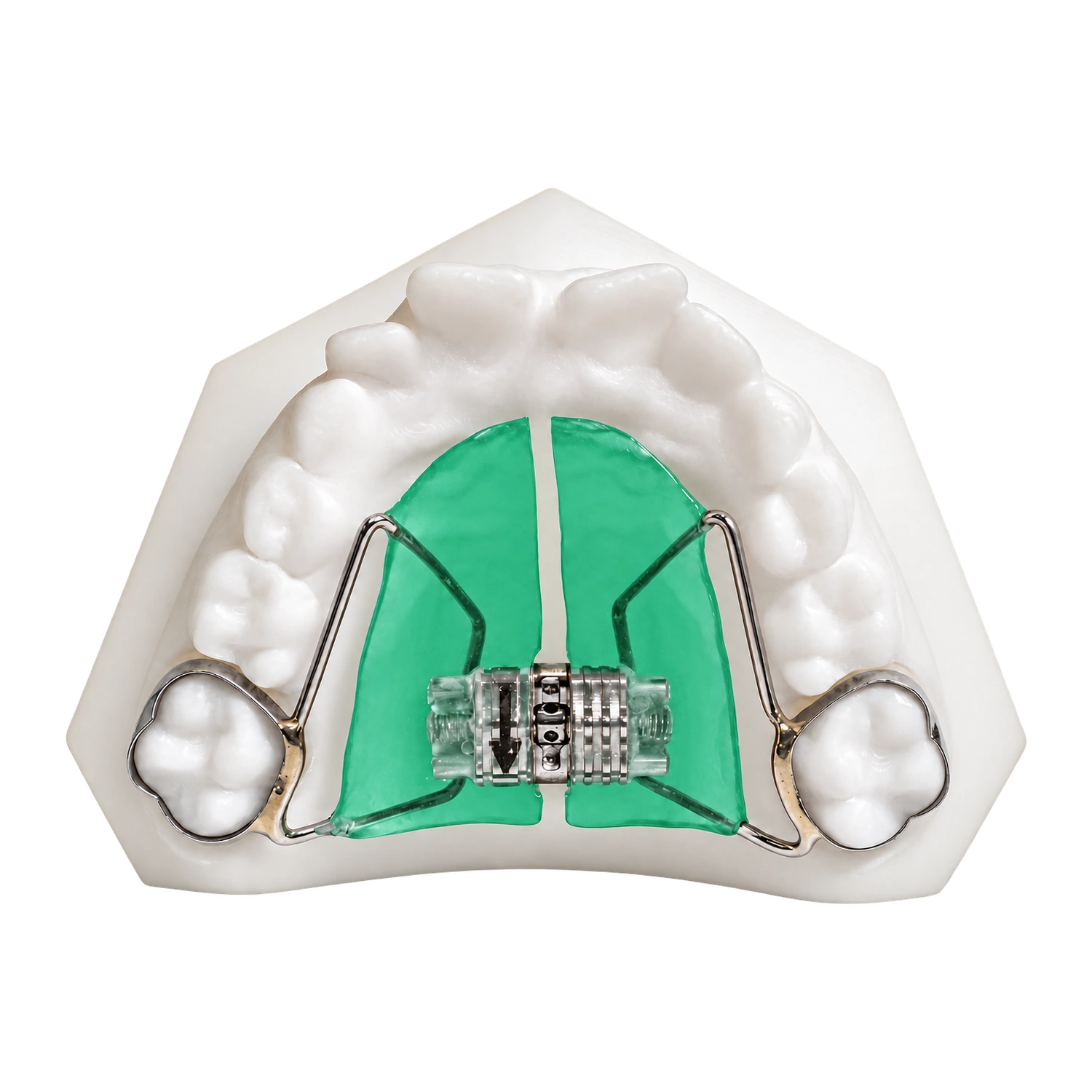
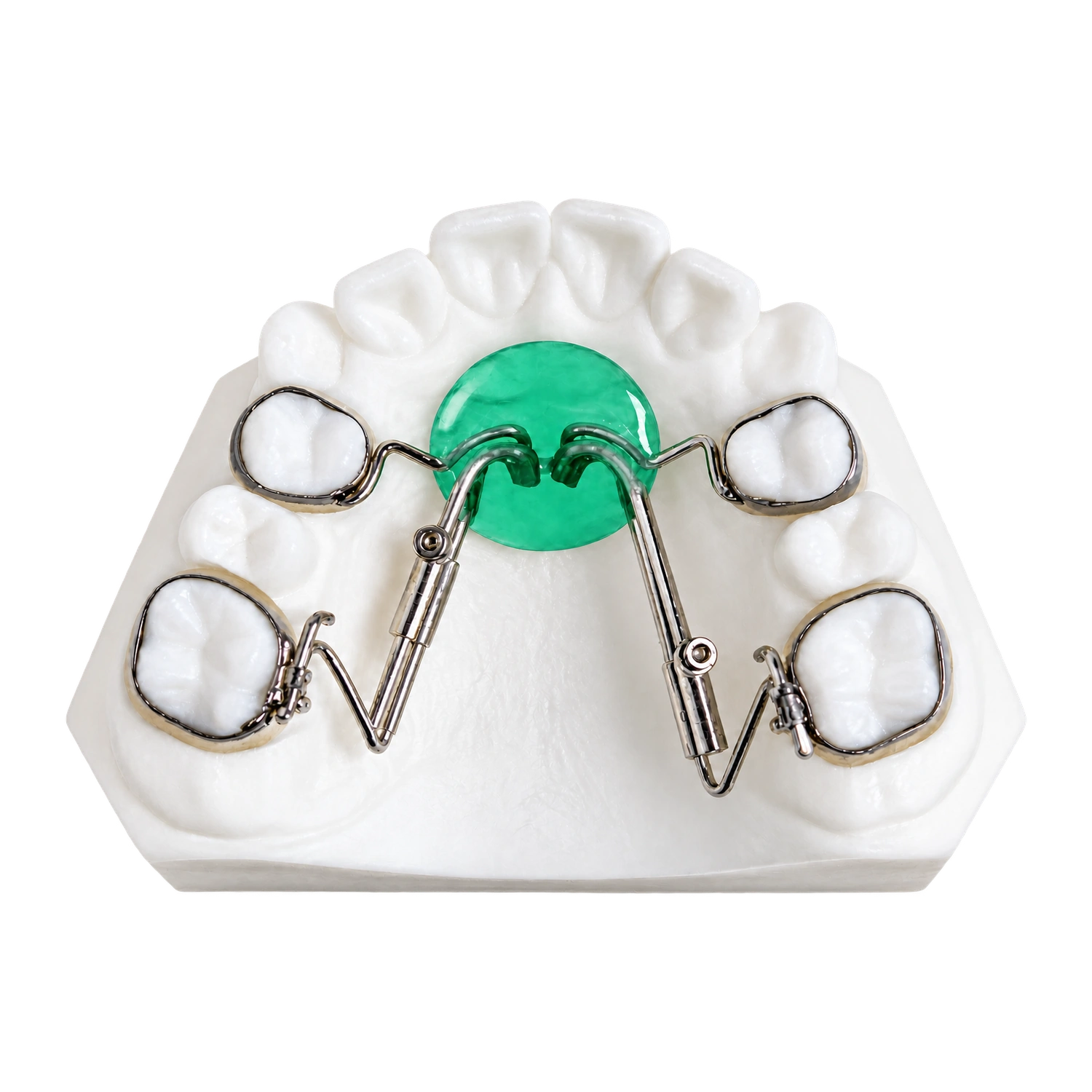
Haas, top view Distal Jet, top view MARPE 4 eyelet, front view

Send us your
next case.

Appliances that fit the first time and arrive on time.

FAQ

Questions about splints.

The Flat Plane Splint gives even contacts in hard acrylic without repositioning the mandible. For heavy bruxism where a soft guard would wear through, or a patient who can’t tolerate hard acrylic, the Dual Laminate puts a hard shell over a soft liner.

Yes, when you can. A wax bite reduces chair time at delivery, and it should reflect the anterior-posterior and vertical dimension you want. Without one, we can mount the models and construct the wax bite in the lab, but expect more chairside adjustment.

No. For patients in active treatment, our standard is to leave brackets and other hardware on. Note it on the Rx if you want them removed first.

Yes. Add Adams, delta, ball, arrow or C clasps to any splint, and anything we add to a retainer, such as finger springs or expansion screws, can go on a splint too.

Both hold the mandible forward. The ARS is a full-arch splint with an anterior ramp, upper or lower, and the upper version is usually worn at night because the ramp can make speaking difficult. The MORA is a lower posterior splint, two acrylic halves joined by a heavy lingual bar, so the anterior teeth stay uncovered.

It’s a retention splint. It holds the mandible slightly advanced in a corrected Class I position after active treatment, and it’s usually made from dual-laminate, pressure-formed material.