specialty

Indirect Bonding.

Traditional and 3D printed trays for accurate, dependable bracket placement.

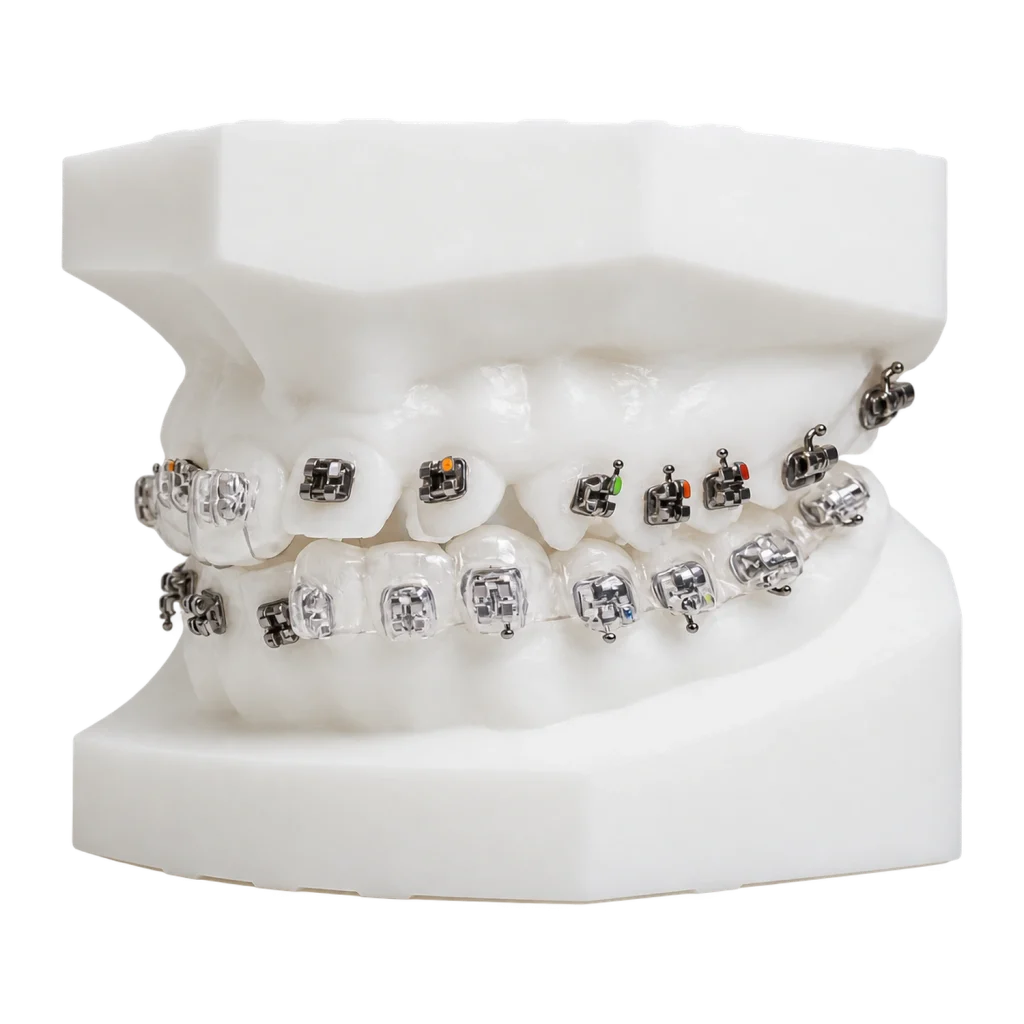
Brackets placed in the lab, transferred in a tray.

Indirect bonding places brackets in the lab and transfers them in a tray, for accurate placement in a shorter bonding appointment. With 3D Indirect Bonding and Printed 3D Indirect Bonding, we place the brackets digitally and you review the placement before trays are made. With Traditional Indirect Bonding, a technician places each bracket on the model with our custom base technique and transfers it in a two-tray system.

  • House brackets or any major manufacturer’s
  • Full arch, midline arch or three-piece trays
  • Your placement preferences kept on file
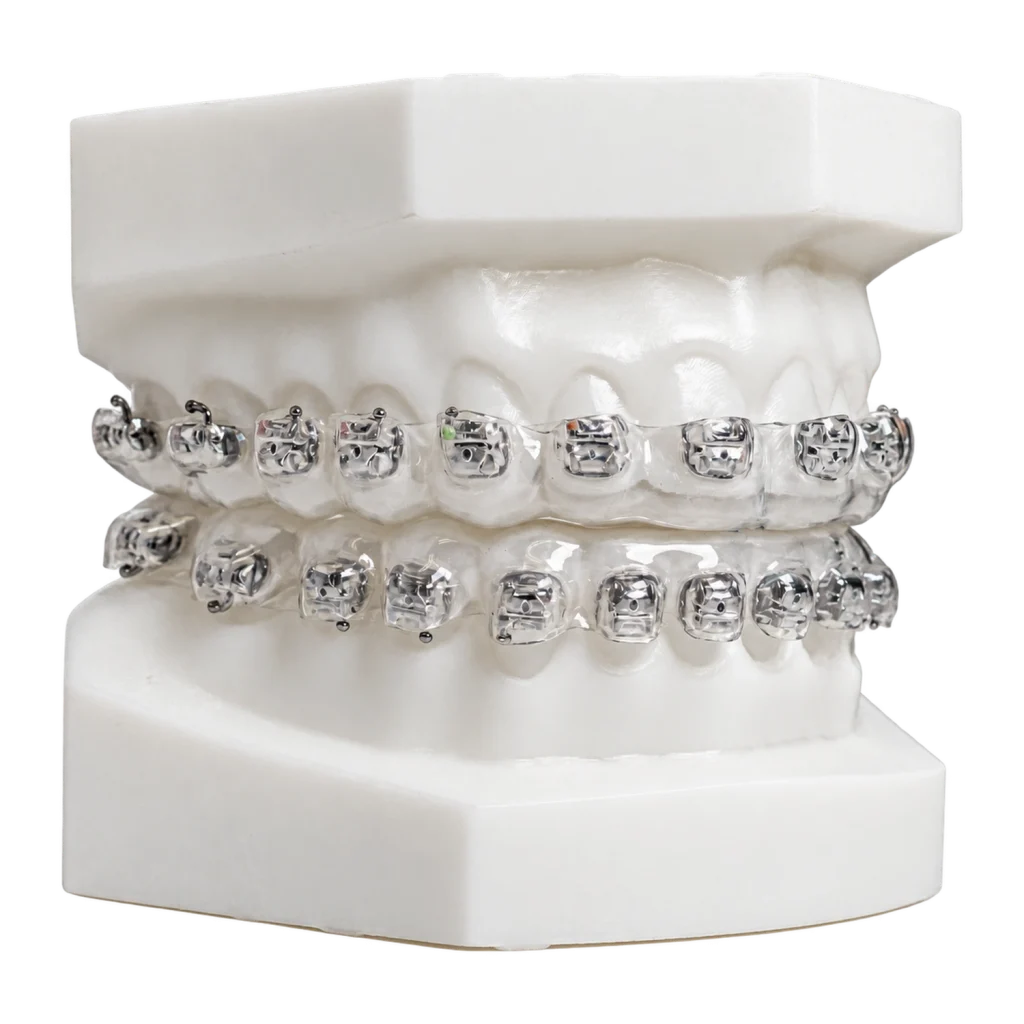
Traditional Indirect Bonding

What does indirect bonding solve?

Indirect bonding moves bracket positioning out of the bonding appointment, so you aren’t placing each bracket while holding isolation. Placement is set in the lab and checked before the tray is made, and the tray carries every bracket to the teeth in one motion.

  • Bracket placement under the pressure of isolation
  • Excess flash around the bracket bases
  • Rebonds that need to match the original position
  • Long full-arch bonding appointments
Which bonding tray fits the case?

Tray
Printed from your approved placement
Patient age
Any age in brackets
Correction
Bracket positioning
Compliance
None, bonded chairside
Tray
Built from your approved placement
Patient age
Any age in brackets
Correction
Bracket positioning
Compliance
None, bonded chairside
Tray
Formed over placed brackets
Patient age
Any age in brackets
Correction
Bracket positioning
Compliance
None, bonded chairside
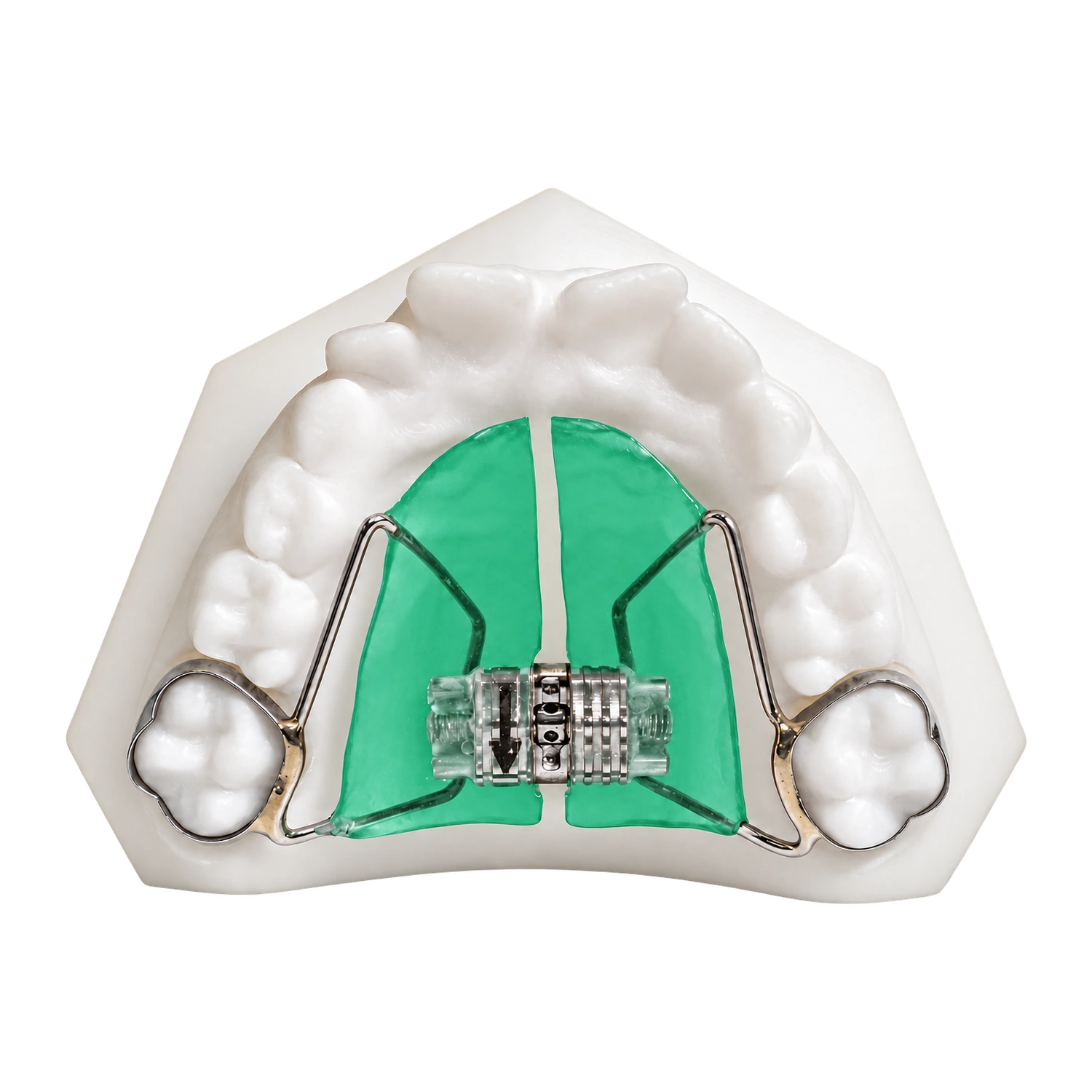
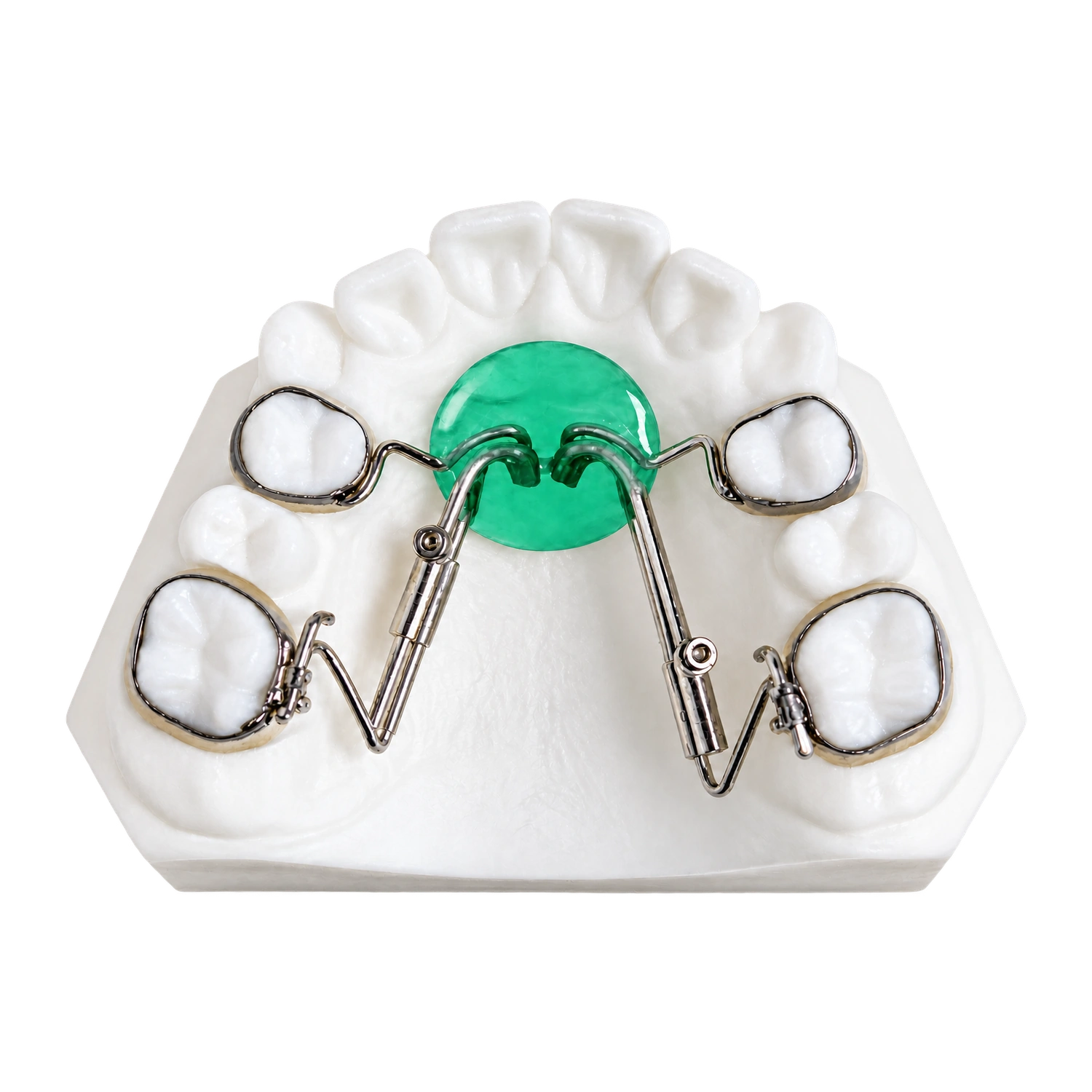
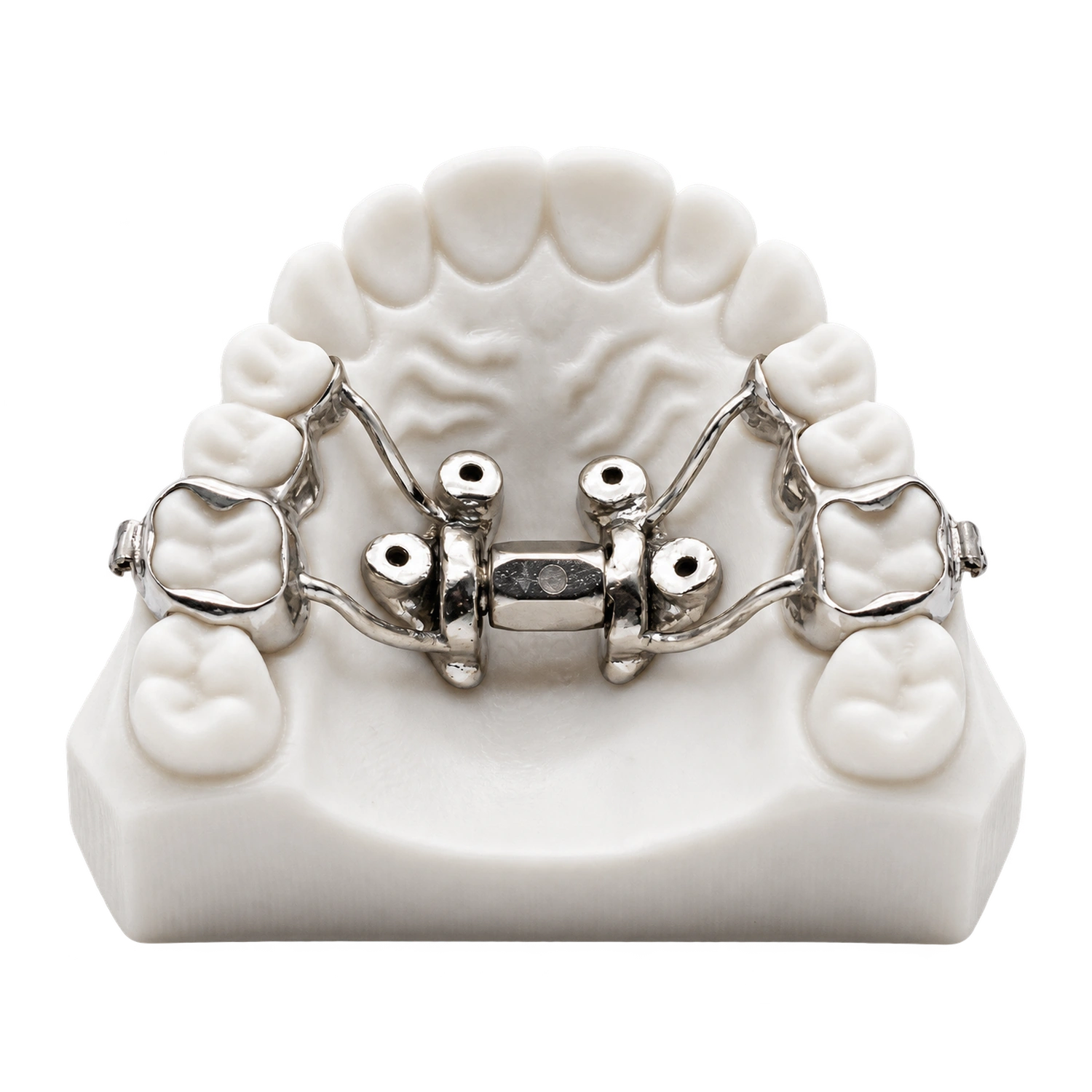
Haas, top view Distal Jet, top view MARPE 4 eyelet, front view

Send us your
next case.

Appliances that fit the first time and arrive on time.

FAQ

Questions about indirect bonding.

If you scan, 3D Indirect Bonding builds trays from a placement you review, and Printed 3D Indirect Bonding prints the trays directly from it. If you work from stone models or impressions, Traditional Indirect Bonding has a technician place each bracket on the model.

Only if you keep your own inventory. Enclose the brackets for that case on a sticky card or in a bracket-carrying tray, or ask us to stock and reorder them for you.

Yes. Add special instructions for the case, such as brackets one millimeter more gingival on an open-bite case or over-corrections on certain rotations.

Use the adhesive of your choice, light-cure or auto-cure. Because our custom bases fit the teeth precisely, only a sealant is required for clinical bonding, though some practices add a very small amount of paste.

Seat it from posterior to anterior in one motion, keeping the inner and outer trays together. The trays snap into place, and the transparent material lets you confirm the tray is fully seated.

Many practices include bonded molars in their indirect setups. If you’re banding posterior teeth instead, place the bands after the bonding trays are delivered, because tooth movement while the trays are being made can stop them fitting.